How a General Dentist Monitors Changes in Your Oral Health
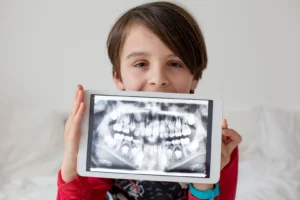
Most people think of a dental visit as a quick cleaning, a glance at a few teeth, and a reminder to floss more often. That is only the visible part of the appointment. Behind the scenes, a General Dentist is tracking subtle changes over time, comparing what your mouth looks like today with what it looked like six months ago, two years ago, or even a decade ago. That long view matters. Oral health rarely shifts all at once. More often, it changes in small, quiet ways that are easy for patients to miss and important for a clinician to catch early.
A tiny shadow on an X-ray may stay harmless for years, or it may turn into a cavity that needs a filling. A gum measurement that was 2 millimeters around a tooth can become 4 or 5 millimeters if inflammation and bone loss begin to progress. A crack line that causes no pain one year may deepen enough to threaten the tooth later. Monitoring is not passive observation. It is an active, informed process that blends records, pattern recognition, patient history, and clinical judgment.
A seasoned dentist does not simply ask, “Does anything hurt?” and move on. Pain is an unreliable messenger in dentistry. Many problems develop long before they become painful. Gum disease can advance quietly. Bite wear can increase gradually. Oral cancer can begin as an area that feels completely normal. The job is to notice what has changed, decide what matters, and act at the right time.
The value of comparison over time
One isolated exam tells part of the story. A series of exams tells much more. Dentistry is full of findings that only make sense in comparison. A single recession spot on the gumline may not be alarming on its own. If it has deepened since the last visit, that changes the conversation. A tooth with a large old filling might not need treatment today. If a new radiograph shows leakage or a shadow under that restoration, the risk picture changes.
This is why regular recall visits are so useful. They create a timeline. Your dentist is not only looking at what is present, but at what is new, what is stable, and what is getting worse. In practical terms, that means comparing digital X-rays, chart notes, periodontal measurements, intraoral photos, and even wear patterns on the biting surfaces of the teeth.
Patients sometimes assume that if nothing was mentioned last time, nothing can happen before the next cleaning. Real mouths do not work that way. Habits shift. Medications change. Dry mouth develops. Stress increases. A person starts grinding at night after a difficult year at work. Someone switches from coffee to frequent sports drinks and suddenly acid exposure is much higher. The mouth reflects these changes, often faster than people expect.
What your dentist is actually watching
A comprehensive dental exam is a layered process. Some findings are straightforward, like plaque buildup or a chipped tooth. Others require experience to interpret correctly. A General Dentist monitors the structures you see and the ones you do not.
Teeth are evaluated for decay, cracks, failing fillings, wear, erosion, mobility, and bite stress. Gums are examined for redness, swelling, bleeding, recession, and attachment loss. Bone levels are reviewed on radiographs because bone support is what ultimately holds teeth in place. The tongue, cheeks, lips, floor of the mouth, and palate are checked for tissue changes. Saliva quality matters too, since dry mouth can dramatically increase cavity risk.
There is also the question of function. How do the upper and lower teeth come together? Are there signs of clenching, grinding, or uneven pressure? Is a patient wearing down front teeth much faster than expected for their age? A mouth can be technically clean and still be under destructive stress.
An experienced dentist also watches for patterns. One new cavity may be an isolated event. Four cavities developing near the gumline in a patient with recent medication changes suggest a dry mouth problem. A single broken cusp might happen from biting an olive pit. Repeated fractures on one side often point to bite forces or a grinding habit.
The exam begins before the mirror comes out
A surprising amount of monitoring starts with conversation. A dentist listens for changes in health, medications, sleep, stress, diet, and symptoms. Patients do not always realize how relevant these details are to oral health.
A common example is blood pressure medication or antidepressant use. Many medications reduce saliva flow. Saliva is not just moisture. It buffers acids, helps remineralize enamel, and limits bacterial activity. When saliva drops, decay risk can rise quickly, especially along root surfaces and around old dental work. If a patient says, “My mouth has felt dry lately,” that is not small talk. It can explain a lot.
The same is true for sinus pressure, jaw soreness, headaches, or waking with tight facial muscles. Those clues may connect to clenching or grinding. A patient may come in focused on one sensitive tooth, while the broader issue is heavy bite pressure affecting several teeth.
Changes in general health can also reshape dental care. Diabetes control influences healing and periodontal stability. Acid reflux can erode enamel in characteristic patterns. Pregnancy can increase gum inflammation. Autoimmune conditions may affect tissues and saliva. None of this sits outside dentistry. A good clinician connects the dots.
Periodontal charting tells a story many patients never see
If there is one part of a routine visit that patients tend to underestimate, it is the gum evaluation. Gum disease is often quiet in its early and moderate stages. You can brush daily, have little pain, and still be losing support around teeth.
Dentists and hygienists measure the space between the tooth and the gum with a small probe. Those numbers help track whether the tissues are healthy, inflamed, or breaking down. Readings of 1 to 3 millimeters are often consistent with health, assuming there is little bleeding and the tissues look firm. Deeper areas can signal disease, especially if they increase over time or are paired with bleeding and bone loss on X-rays.
What matters is not just a single number but the pattern. One 4 millimeter site around a hard-to-clean molar can be manageable. Several 5 and 6 millimeter pockets with bleeding in multiple areas tell a different story. The trend matters even more. A patient whose chart has been stable for years and suddenly shows worsening pocket depths may need a much closer look at home care, medical changes, smoking, diabetes control, or stress-related clenching.
This is where routine monitoring prevents more invasive treatment later. Catching early periodontal breakdown can mean adjusting hygiene methods, increasing maintenance frequency, or treating localized disease before significant bone loss sets in.
X-rays are less about snapshots and more about progression
Patients sometimes ask why they need X-rays when “nothing feels wrong.” The answer is simple. A lot of dentistry happens where eyes alone cannot see. X-rays help reveal decay between teeth, bone levels around roots, infection at the tip of a root, defects under existing restorations, and developmental issues.
Just as important, they provide comparison points. A tiny area on a radiograph may not justify immediate treatment if it has remained unchanged. If that same area has clearly advanced since the last set, it carries more weight. Dentistry often lives in that gray zone between watch and treat. Good decisions depend on serial evidence.
Frequency matters too. Not every patient needs the same X-ray schedule. Someone with a history of frequent cavities, dry mouth, and multiple restorations may need closer radiographic monitoring than a patient with low decay risk and stable gums. This is where individualized care matters. A responsible General Dentist does not order imaging by habit alone, but based on risk, history, and clinical findings.
Digital radiography has improved this process because images can be enlarged, adjusted for contrast, and compared side by side over time. That does not replace judgment, but it sharpens it.
Small fractures, big consequences
Cracks are among the easiest problems for patients to misunderstand. A tooth can be cracked without an obvious break, swelling, or cavity. Early on, symptoms may come and go. A patient might notice a sharp zing when chewing on seeds or crusty bread, then nothing at all for weeks.
Dentists monitor suspected cracks by combining visual examination, symptom history, bite testing, magnification, and imaging when appropriate. Sometimes the best approach is careful observation. Not every hairline craze on enamel needs treatment. On the other hand, a cracked cusp around a large filling may need a crown before a bigger fracture occurs.
One of the hard parts of crack monitoring is that not all damage shows up clearly on X-rays. Clinical judgment is crucial. If a patient repeatedly reports pain on release when biting, or if a fracture line is staining and deepening, a dentist may recommend protecting the tooth even before the problem becomes dramatic.
I have seen this play out in ways that patients remember vividly. A person ignores occasional discomfort because it “only hurts once in a while,” then bites on something soft and the tooth splits anyway. From the patient’s perspective, it happened suddenly. From the dentist’s perspective, the warning signs had likely been building for months.
Wear patterns reveal habits you may not notice
Teeth record behavior. A dentist can often tell when someone clenches during the day, grinds at night, chews ice, uses teeth as tools, or exposes enamel to frequent acid. The signs are usually subtle at first: flattened biting edges, tiny chips, polished wear facets, gumline notches, sensitivity, or sore jaw muscles.
Patients often say, “I do not grind, at least not that I know of.” That can be true. Night grinding is commonly unconscious. The first clues may be worn enamel on the front teeth or fractures in back teeth that are carrying more force than they should.
Monitoring wear is one of the best examples of why photographs and records matter. A patient may not notice gradual shortening of the front teeth over several years, but side-by-side images make the change obvious. When wear is active, the goal is not only to repair damage but to stop the mechanism driving it. That might mean a night guard, bite adjustment in select cases, or addressing acid exposure from diet or reflux.
There is a balance here. Not every bit of wear requires intervention. Teeth naturally change with age. The question is whether the wear is within a normal range, whether it is accelerating, and whether it threatens the structure or comfort of the mouth.
Soft tissue screening is a quiet but essential part of every visit
One of the most important jobs a General Dentist performs often takes less than two minutes and may go unnoticed by the patient. During a routine exam, the dentist checks the lips, cheeks, tongue, floor of the mouth, gums, and palate for changes in tissue color, texture, shape, or ulceration.
Most of the time, these findings are harmless. A small area may come from cheek biting, a canker sore, friction, or irritation from a sharp edge. The key is knowing what looks ordinary, what needs short-term review, and what warrants referral or biopsy.
Monitoring matters because soft tissue changes are often easier to manage when they are found early. If a spot has persisted for two weeks or longer without a clear cause, it deserves attention. Patients who smoke, use smokeless tobacco, drink heavily, have significant sun exposure on the lips, or have a history of oral lesions may need especially careful surveillance.
The point is not to alarm people. It is to stay observant. The best oral cancer screenings are often uneventful, but they are never unimportant.
Restorations age, and dentists track that aging carefully
Fillings, crowns, bridges, and implants do not last forever. Good dental work can serve a patient well for many years, sometimes decades, but every restoration exists in a real mouth under real pressure. Materials wear. Margins open. Cement washes out. Recurrent decay develops around edges. Porcelain can chip. A crown that looked excellent three years ago may begin to show signs of leakage or bite stress now.
Patients often ask how long a filling or crown should last. There is no honest universal answer. Longevity depends on the size of the restoration, the tooth’s position, cavity risk, oral hygiene, bite forces, and habits like grinding. What matters clinically is not the restoration’s age alone, but how it is functioning now.
A dentist monitors restorations by checking contact points, margins, staining patterns, radiographic shadows, fractures, and symptoms. Sometimes a filling only needs polishing or a minor repair. Sometimes replacement is the wiser call before a larger failure occurs. The best dentists are not eager to replace work unnecessarily, but they also know the cost of waiting too long.
Risk assessment changes the way a mouth is monitored
Two patients can sit in the same chairs, both with no pain, and need very different levels of follow-up. Monitoring is never one-size-fits-all. It is shaped by risk.
A patient with low cavity history, strong saliva flow, clean diet habits, and stable gums may do well with standard recall intervals and conservative imaging. Another patient with dry mouth, multiple old restorations, recession, frequent snacking, and a history of root decay needs closer observation. Neither approach is excessive if it matches the patient’s biology and history.
Several factors tend to raise a dentist’s level of concern:
- Dry mouth, whether from medication, health conditions, or radiation history
- Past patterns of frequent decay or repeated dental breakdown
- Active gum inflammation, bone loss, or smoking
- Heavy clenching, grinding, or multiple cracked teeth
- Medical conditions or treatments that affect healing and tissue health
This is also why six months is not a magic number for everyone. Some patients benefit from three or four month periodontal maintenance. Others remain stable with longer intervals. The schedule should serve the patient, not the calendar.
What patients can notice between visits
Dental monitoring works best when patients understand what deserves attention at home. Most people are not expected to diagnose problems, but they can catch changes early and report them before a routine visit.
Here are the signs that should prompt a call to the dental office:
- Bleeding gums that persist despite regular brushing and flossing
- A tooth that becomes sensitive to biting, cold, or sweets
- A rough edge, new chip, or a feeling that the bite has changed
- Ongoing dry mouth, bad taste, or chronic mouth soreness
- A sore, spot, or lump that has not resolved within two weeks
These symptoms do not always signal a serious problem. Still, they are worth evaluating because patterns matter. A tooth that is “a little sensitive sometimes” may be the start of a crack, a cavity, gum recession, or bite trauma. The earlier the cause is identified, the simpler treatment often is.
Why documentation matters more than most people realize
Good monitoring depends on good records. Detailed charting, updated medical histories, periodontal measurements, radiographs, and photographs all support better decision-making. This is not bureaucracy. It is clinical memory made reliable.
A patient may move between providers, return after a long gap, or struggle to describe when symptoms began. Accurate records help reconstruct the story. They also make it easier to explain recommendations clearly. When a patient can see that a shadow on a tooth was absent two years ago and has now progressed, the need for treatment is easier to understand.
Photographs are especially useful for wear, cracks, gum recession, and soft tissue changes. Patients often respond strongly to visual evidence because it turns an abstract concern into something concrete. It also builds trust. Monitoring should feel transparent, not mysterious.
The judgment call between watchful waiting and treatment
One of the most important skills in general dentistry is knowing when to intervene and when to monitor. Overtreatment wastes tooth structure and money. Undertreatment allows preventable damage to progress. The best clinicians live in the middle ground, using evidence, experience, and patient-specific risk to guide timing.
Take a small incipient cavity between teeth. If it is limited to enamel, the patient has low decay risk, and the area has not changed on follow-up imaging, monitoring may be entirely appropriate. If the patient has dry mouth, rapid cavity history, and clear progression, delaying treatment may not be wise.
The same principle applies to worn teeth, suspicious bite changes, mild gum recession, and aging restorations. Dentistry is full of borderline findings. What separates thoughtful care from generic care is not just detecting the issue, but reading its direction. Is it static, slow, active, or accelerating?
Patients appreciate this more than dentists sometimes expect. Most people do not want every tiny imperfection drilled, and they do not want a serious issue ignored. They want honest judgment. Monitoring, when done well, provides exactly that.
The long relationship matters
There is real value in seeing the same dental practice over time. Continuity helps. A General Dentist who has followed a patient for years develops a feel for that person’s patterns. Which fillings tend to fail first. How quickly tartar accumulates. Whether recession is stable or active. How stress shows up in the bite. Whether an area that looked slightly suspicious last year has changed or settled down.
That familiarity does not replace formal records, but it deepens interpretation. It also makes conversations easier. Patients are more likely to mention subtle changes when they have an established relationship with the office. That matters because small symptoms often carry big clues.
Even when patients change providers, consistent attendance and complete record transfer help preserve the benefits of long-term monitoring. Oral health is cumulative. Every exam is more useful when it can be connected to the ones that came before.
Oral health changes gradually until it does not
The paradox of dentistry is that many General Dentist serious problems begin slowly and then seem sudden. A cavity can stay small for a long stretch and then reach the nerve. A crack can whisper before it breaks. Gum disease can remain painless while bone support is slipping away. The role of the dentist is to catch that quiet phase, when choices are broader and General Dentist treatment is simpler.
That is what monitoring really means. It is not just looking. It is noticing, comparing, interpreting, and deciding. It is understanding that your mouth is not frozen between appointments. It reflects your habits, your health, your age, your medications, your stress, and the quality of the care you receive both at home and in the chair.
A thoughtful General Dentist pays attention to these shifts so that oral health problems can be managed while they are still manageable. For patients, regular visits are not merely maintenance appointments. They are checkpoints in a much larger story, one where small changes, caught early, make all the difference.
Aspenwood Dental Associates and Colorado Dental Implant Center
2900 S Peoria St Ste C, Aurora, CO 80014, United States
+1 303-731-4037
FAQ About General Dentist
How long do teeth fillings last in Aurora, CO?
Fillings can last for years, but they are not lifetime restorations. Their durability depends on the material, the size and location of the filling, chewing forces, and oral hygiene. A general dentist can examine a filling for wear, damage, or new decay and explain whether monitoring, repair, or replacement is appropriate. Age alone does not establish that a filling needs replacement.
How Can I Reduce Dental Anxiety?
Tell the dental team about your concerns when booking and again at your visit. Ask for an explanation of each step, agree on a signal for breaks, and consider slow breathing or headphones if the practice permits them. Discuss pain control and any sedation options with the dentist; suitability depends on your health, medicines, and planned treatment.
When should your child first see a dentist in Aurora?
Arrange the first dental visit within six months after the first tooth appears and no later than the first birthday. Early visits allow the dentist to assess development and discuss brushing, fluoride, feeding habits, and cavity prevention. Ask the practice whether it sees infants and how it handles referrals when a child needs specialist care.